Understanding Dog Reactivity in the spring time: Causes Most Owners Miss



If it feels like your dog's reactivity gets worse with certain seasons or conditions - you're not imagining it.
Weather, routine changes, and environmental pressure absolutely play a role. But more often than not, reactivity is influenced by a mix of deeper factors, such as:
– Age (hello teenage dogs, especially 8–18 months)
– Past experiences and learning history
– Trauma or negative associations
– Lack of appropriate physical and mental outlets
– Low impulse control and emotional regulation skills
In my day-to-day work, at least two-thirds of the dogs I see are dealing with some level of reactivity:
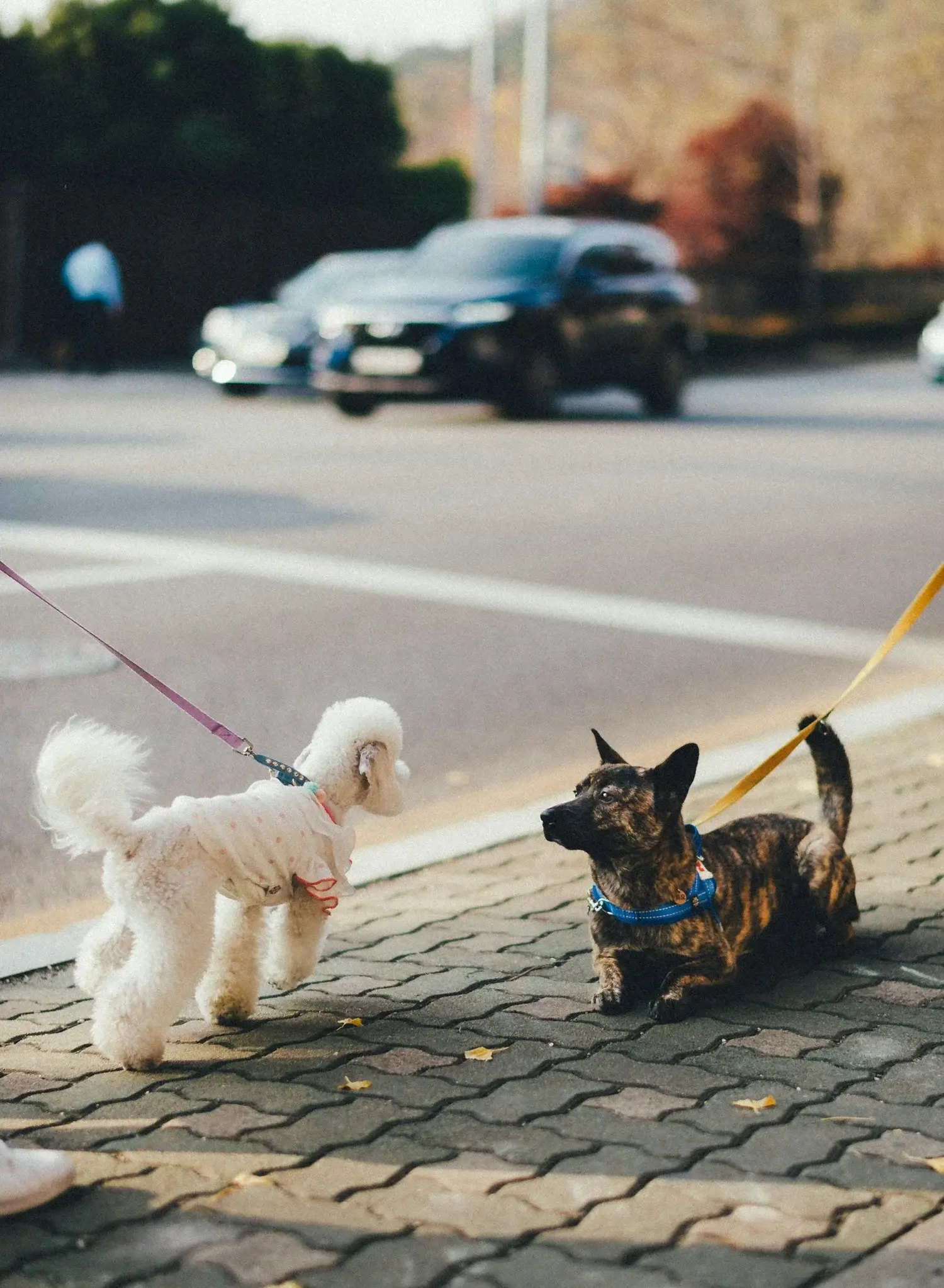
Barking, lunging, jumping into the leash, spinning - simply “acting crazy” whenever the see another dog, stranger, or whatever else they feel triggered by in the moment.
It is incredibly common.
And also: it's exhausting. It can feel overwhelming, isolating, and honestly embarrassing for many owners.
“What do they think of me?”
“They must think my dog is evil!"
“Why can`t my dog just chill?”
With the warmer weather and more people, dogs, and wildlife being out and about now we naturally also see more reactivity.
I wanted to share a quick story today from a client last year (names and minor details changed for privacy).
Lucy reached out about her reactive German Shepherd mix, Rokko. He had always shown some reactivity, but things escalated significantly around the age of one.
Before working with me, she had already tried several approaches: different trainers, tools like a prong collar, and structured exposure and desensitizing work with other dogs.
Nothing seemed to help.
Things reached a breaking point when Rokko pulled her so hard that Lucy fell and broke her wrist.
When I start working with cases like this, I always look for the root cause. And more often than not, it's not just one thing, it's a combination. In Rokko's case, one of the biggest missing pieces was actually physical discomfort. He was dealing with significant hip pain that had never been identified.
After just a couple of sessions, I referred Lucy back to her vet because I suspected an underlying medical issue. Once Rokko was diagnosed with severe hip dysplasia, started treatment and pain medication and started feeling better physically, everything we worked on in training became significantly more accessible for him.
From there, we focused on what actually matters first:
Creating distance from triggers (yes, don´t keep bringing your dog into situations they can´t handle yet), building engagement, and slowly developing his ability to regulate before we ever asked him to “face” what was overwhelming.
This part is important: trust the process. Give your dog AND yourself time and grace.
And as somebody with a dog who used to be reactive myself I know how hard this part is!
We just want to get it “fixed” quickly.
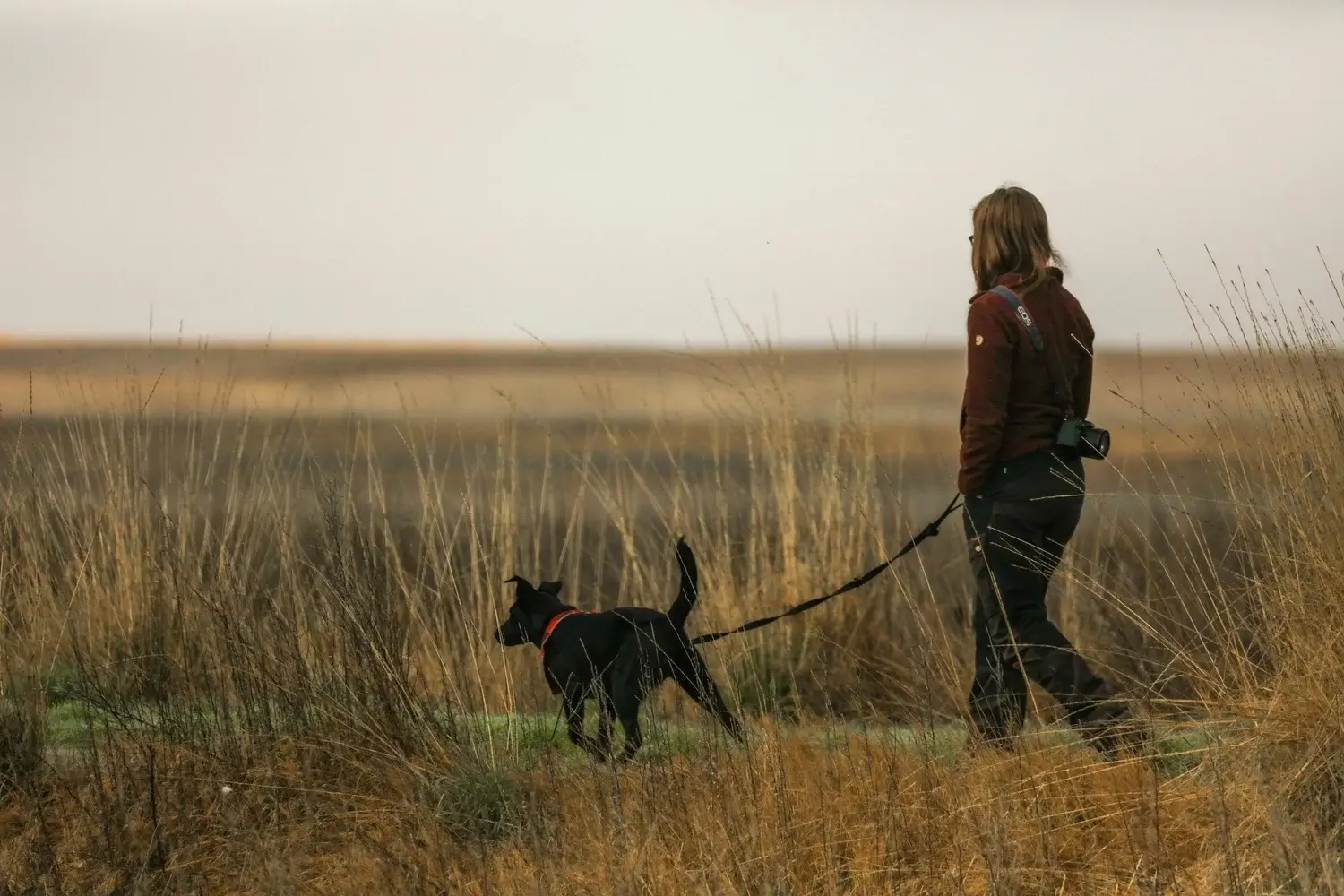
But how I was able to help Rokko turn into a well-adjusted dog who can go for relaxed walks was:
We didn't rush exposure. We built skills first. We rebuilt emotional safety first. And only then did we begin changing his response to triggers.
I know it can feel tempting to look for a quick fix, a tool, a technique, something that promises immediate change.
But reactivity doesn't work like that because reactivity has an underlying emotional component.
Just like expensive gifts don't fix deeper relationship issues, tools alone don't resolve the underlying cause of reactivity.
Whenever there is an emotional component to a behavior we have to dig deeper if we want long-term change.
If your dog is struggling, you're not alone, and there is a way through it.
If you'd like support, you can reach out to schedule a 1:1 session.
"Bianca truly gets to the root of the problem."
"Hands down, Bianca is the best and most experienced dog trainer on so many levels--she's more than a trainer--she truly gets to the root of the problem. We've worked with several trainers over the years, and we've never had one with such an incredible disposition and strong animal behavior acumen. Her feedback, tips and overall approach made everything feel achievable. The analogies Bianca uses truly help things click—we finally understood the why behind the training. We've always felt overwhelmed by dog training in the past, but this was easy to grasp, practical, and made complete sense. She's made our home of four dogs much more pleasant and calm!"
"Bianca truly gets to the root of the problem."
"Hands down, Bianca is the best and most experienced dog trainer on so many levels--she's more than a trainer--she truly gets to the root of the problem. We've worked with several trainers over the years, and we've never had one with such an incredible disposition and strong animal behavior acumen. Her feedback, tips and overall approach made everything feel achievable. The analogies Bianca uses truly help things click—we finally understood the why behind the training. We've always felt overwhelmed by dog training in the past, but this was easy to grasp, practical, and made complete sense. She's made our home of four dogs much more pleasant and calm!"
"Bianca truly gets to the root of the problem."
"Hands down, Bianca is the best and most experienced dog trainer on so many levels--she's more than a trainer--she truly gets to the root of the problem. We've worked with several trainers over the years, and we've never had one with such an incredible disposition and strong animal behavior acumen. Her feedback, tips and overall approach made everything feel achievable. The analogies Bianca uses truly help things click—we finally understood the why behind the training. We've always felt overwhelmed by dog training in the past, but this was easy to grasp, practical, and made complete sense. She's made our home of four dogs much more pleasant and calm!"
Keep learning what helps your dog thrive



Questions?
I'm here.
Feel free to send a message.